Это выпуск за 15 октября — 21 октября.Свежий выпуск →
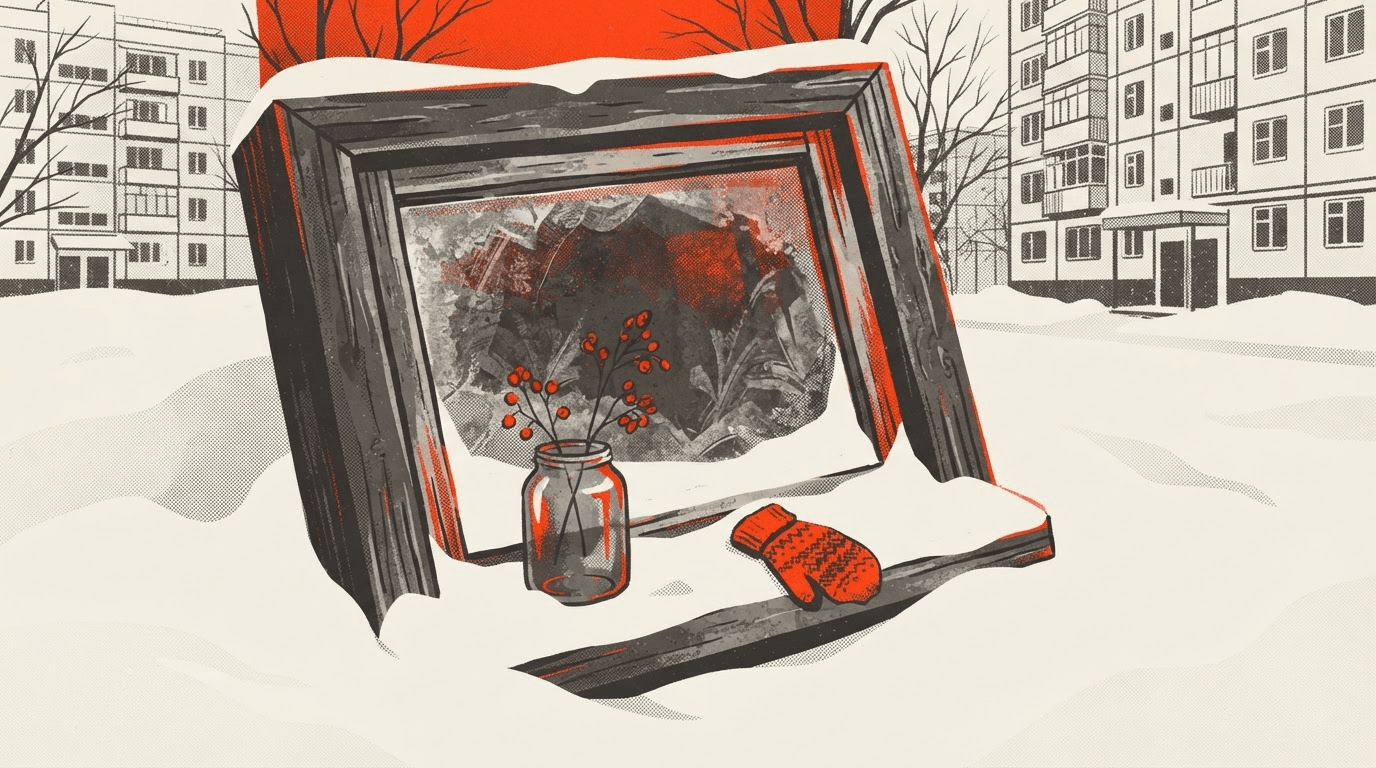
Urban Layers: From Siberian Barracks to Italian Canons
Exploring how temporary forms take deep root in Siberian culture and memory.
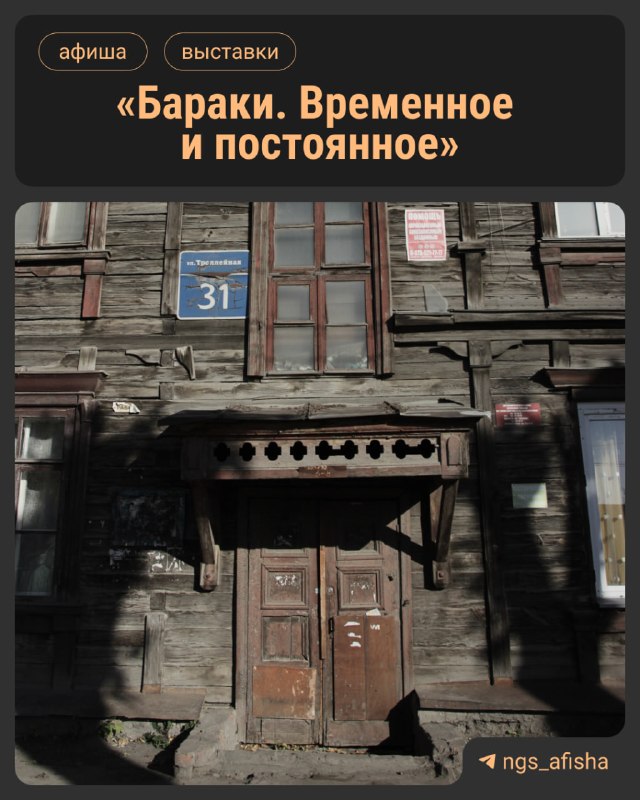
In Novosibirsk, the temporary has a habit of becoming permanent. A wooden barrack thrown together for construction workers ends up defining the texture of entire districts for generations. We tend to glance past these sediments, ignoring how utilitarian compromises shape the city's character.
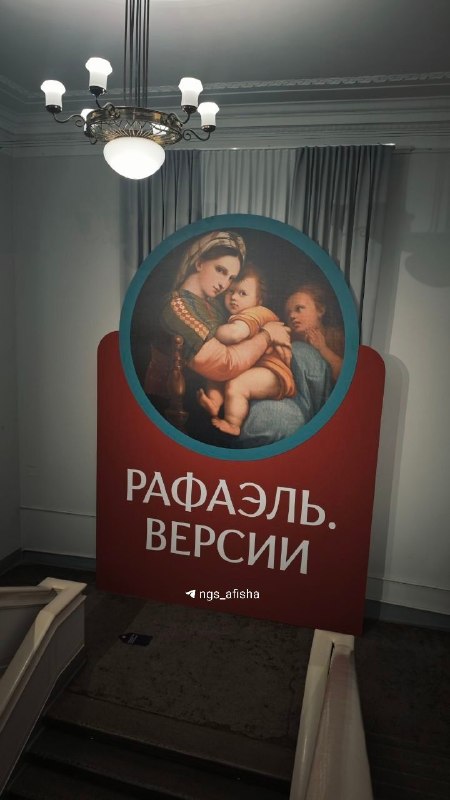
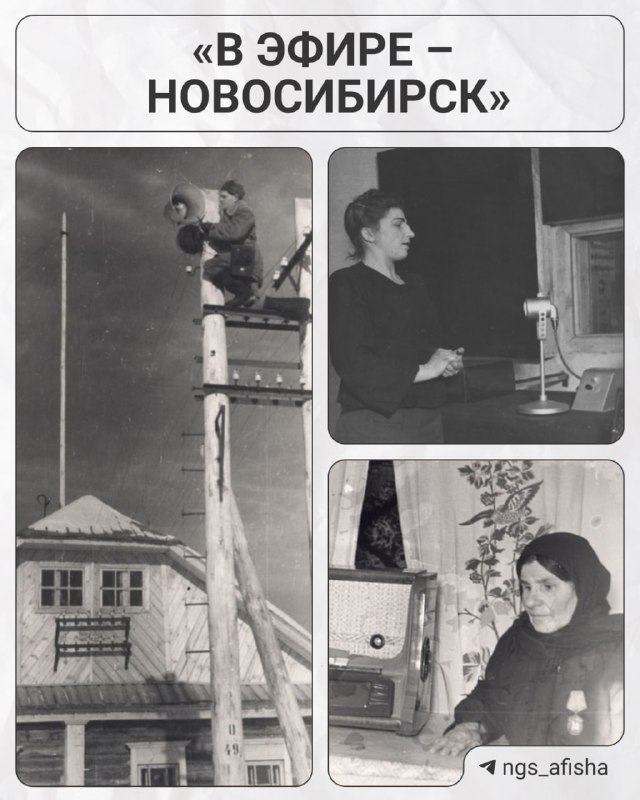
This week, curators tackle sharp contrasts in local and visual memory. We admire how local venues juxtapose tough Siberian contexts with academic classicism. A study of early radio broadcasting sits right next to the Russian obsession with Renaissance ideals, imported into regional collections through nineteenth-century academic copies.
The route maps itself naturally: from raw documentary records of daily labor to polished painting and peculiar commercial curiosities. The trick is to approach all of it without nostalgia, keeping a sharp analytical eye.
This week's single route connects radically different cultural perspectives. We move straight from the city's architectural underbelly to formal artistic gestures.


The city reveals its character when you stop separating high art from mundane reality. Caught between timber barracks, classical studies, and mall exhibits, the true Siberian modernism comes into view.